Who Was Bal Gandharva? The Legendary Artist Behind the Name
Beyond the famous auditoriums and historic cultural landmarks lies the story of Narayan Shripad Rajhans, the master performer who revolutionised Indian musical theatre, redefined female impersonation on stage, and earned his place as a cultural icon.
Introduction: The Name Behind the Landmark
If you have ever attended a theatrical play, corporate summit, or musical concert in Maharashtra, chances are you have come across the name Bal Gandharva. Prominent cultural centres, auditoriums, and heritage halls bear his title, keeping his memory alive for modern audiences.
However, Bal Gandharva was far more than just a famous name on a building marquee. Born Narayan Shripad Rajhans in 1888, he was a visionary singer, actor, and pioneer who transformed the landscape of Indian dramatic arts during the early 20th century. Revered widely as the undisputed King of Marathi Musical Theatre, his extraordinary vocal range, dramatic grace, and revolutionary stage production standards laid the foundation for modern musical drama (Sangeet Natak).
To understand why his name continues to evoke deep reverence among artists and culture lovers today, we must look into the fascinating life, artistic mastery, and enduring impact of this theatrical icon.
The Birth of a Musical Prodigy
Narayan Shripad Rajhans was born in Nagothane, near Chiplun in Maharashtra. From an exceptionally young age, his remarkable singing voice caught the attention of local audiences and musical connoisseurs.
When freedom fighter Lokmanya Bal Gangadhar Tilak heard the young boy sing in Pune, he was so moved by the purity and sweetness of his voice that he bestowed upon him the title Bal Gandharva, meaning ‘Young Celestial Singer’ or ‘Young Angelic Musician.’ The title stayed with him for the rest of his life, becoming synonymous with musical excellence across India.
Redefining the Stage: The Era of Female Impersonation
In the late 19th and early 20th centuries, women were socially prohibited from performing on public theatre stages. Consequently, male actors had to portray female characters. While many actors took on these roles as a logistical necessity, Nat Samrat Bal Gandharva elevated female impersonation into a high art form.
1. Unmatched Grace and Authenticity
When Bal Gandharva stepped onto the stage as a female protagonist, he did not merely wear a costume; he completely embodied the character’s poise, emotional depth, and physical gestures. His portrayals of iconic dramatic heroines, such as Shakuntala, Subhadra, Devyani, and Bhamini, captivated audiences across the nation.
2. A Fashion Icon for Women Across India
His attention to detail was so exquisite that women in the audience closely observed his draping styles, hair accessories, saree choices, and jewellery designs. During the peak of his career, the ‘Bal Gandharva style’ set fashion trends throughout Maharashtra, with saree merchants and jewellers naming popular designs after his stage personas.
The King of Marathi Musical Theatre: Revolutionising Natya Sangeet
Beyond his visual presentation, his true genius lay in his voice. As the King of Marathi Musical Theatre, he popularised Natya Sangeet (classical theatrical music), making complex Hindustani classical ragas accessible and thrilling to the general public.
- Collaborations with Great Playwrights: He formed a legendary partnership with celebrated playwright Annasaheb Kirloskar and later Ram Ganesh Gadkari, bringing classic stories like Swayamvar, Manapman, and Ekach Pyala to life.
- Grand Production Values: In 1913, he co-founded the Gandharva Sangeet Mandali. He spared no expense on production quality, importing lavish velvet curtains, employing live classical orchestras, and designing intricate stage lighting.
- Unwavering Professionalism: His dedication to his craft was legendary. According to historical accounts, even on the day his young daughter passed away, Nat Samrat Bal Gandharva took to the stage to perform his scheduled show, refusing to disappoint his waiting audience.
Facing Financial Trials and Transition to Cinema
Despite achieving unprecedented fame, wealth, and admiration, the later years of his career were fraught with financial hardship. His insistence on uncompromising production standards, often spending extravagant sums on elaborate sets, costumes, and supporting full orchestras, led to heavy debts.
As sound cinema (talkies) emerged in the 1930s, live theatre faced severe competition. Bal Gandharva transitioned briefly to the silver screen, acting in Prabhat Film Company’s Dharmatma (1935). However, his heart belonged irrevocably to the live stage, where the immediate connection between the artist and the audience remained sacred.
The Legacy of Bal Gandharva in Modern Times
The historical impact of his contributions to Indian performing arts cannot be overstated. The Legacy of Bal Gandharva lives on not only in recording archives and historical books, but also in the very fabric of India’s theatrical infrastructure.
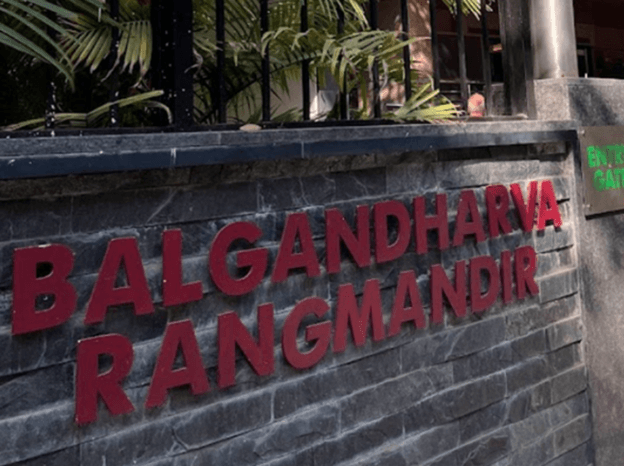
To honour his unmatched contributions, cultural institutions and civic bodies named premier performance halls after him. One of the most iconic of these are the Bal Gandharva Rang Mandir in Bandra West, Mumbai.
Why His Memorial Venues Matter Today:
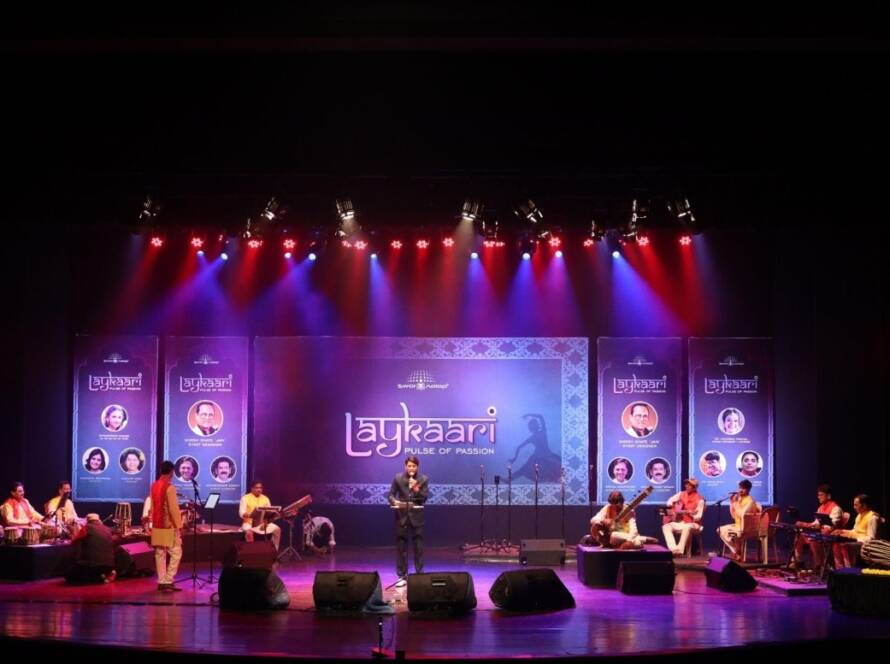
- Preserving Performing Arts: Venues like Bal Gandharva Rang Mandir provide modern playwrights, classical musicians, and theatrical troupes with world-class acoustic infrastructure.
- Connecting Generations: Hosting events at halls dedicated to Bal Gandharva reminds modern theatregoers of the rich heritage that paved the way for contemporary Indian drama.
- Sustaining Natya Sangeet: The Legacy of Bal Gandharva continues to inspire young classical vocalists who study his singing style (gayaki) and preserve the traditional Natya Sangeet repertoire.
| Year / Period | Milestone in Bal Gandharva's Life |
|---|---|
| 1888 | Born as Narayan Shripad Rajhans in Nagothane, Maharashtra. |
| 1898 | Bestowed the title 'Bal Gandharva' by freedom fighter Lokmanya Tilak. |
| 1906 | Joined the Kirloskar Natak Mandali, launching his legendary acting career. |
| 1913 | Co-founded the Gandharva Sangeet Mandali, setting new standards for stage production. |
| 1955 | Awarded the Sangeet Natak Akademi Award, the highest national honour in performing arts. |
| 1964 | Honoured with the Padma Bhushan by the Government of India. |
Conclusion
Bal Gandharva was far more than an actor or singer; he was a cultural phenomenon who elevated Marathi theatre into an immortal art form. His devotion to music, uncompromising stage aesthetics, and emotional mastery created an era that remains the golden age of Indian drama.
The next time you attend a play or event at Bal Gandharva Rang Mandir, Bandra Mumbai remember the visionary artist behind the name, a performer whose melody, dignity, and passion forever transformed the Indian stage.